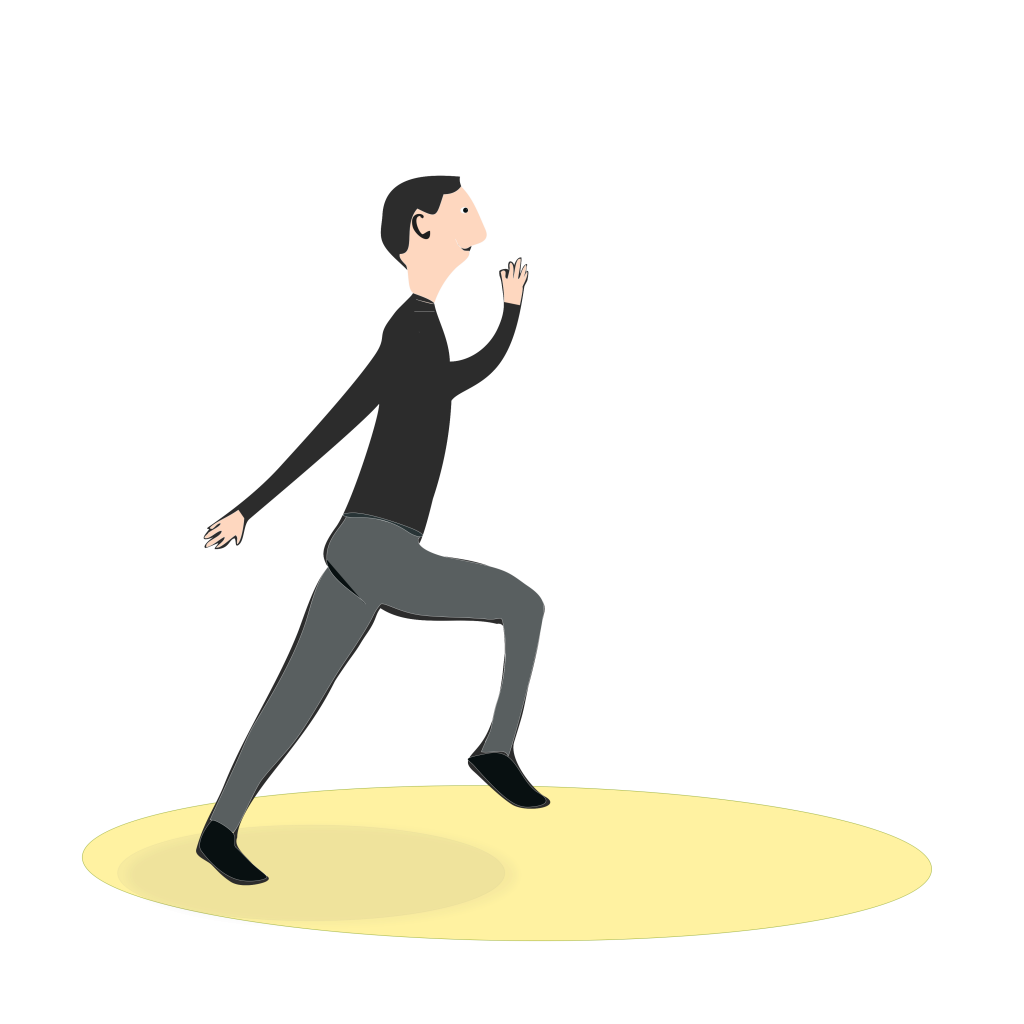
Osteoporosis is a condition characterized by reduced bone density, which leads to weak and fragile bones. This condition can be caused by a deficiency of calcium and vitamin D. Osteoporotic fractures, which can occur in the spine, hips, ribs, and wrists, can be caused by even minimal trauma or stress and can result in significant pain, decreased muscle strength, and disability in elderly individuals. Risk factors for osteoporosis include being female, being of Asian race, having a thin body with low calcium intake, smoking cigarettes, consuming high levels of alcohol, experiencing malabsorption or hormonal imbalance, being deficient in vitamin D, or suffering from certain medical conditions, such as post menopause. Exercise can help reduce the negative effects of osteoporosis and improve the quality of life for those living with the condition.
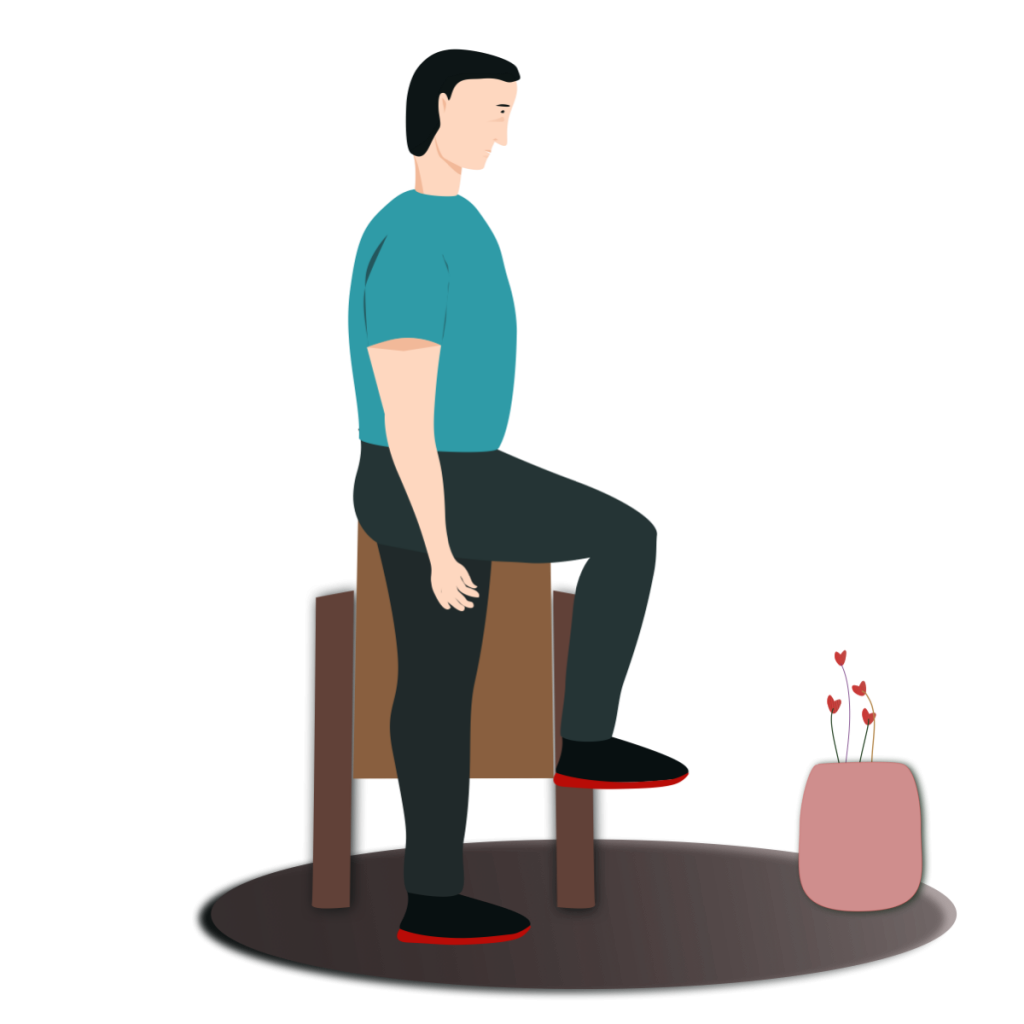
Effective Workouts for Improving Bone Density and Reducing the Risk of Osteoporosis.
It’s great that you are emphasizing the importance of consistent exercise for managing osteoporosis. Resistance training and weight bearing exercises are indeed important for building and maintaining bone density, as they place stress on the bones, which can stimulate the production of new bone tissue. It’s also important to remember that while these types of exercises are particularly beneficial for people with osteoporosis, it’s also important to incorporate a variety of other types of exercises into a well-rounded fitness routine, such as balance and flexibility exercises, which can help to reduce the risk of falls and fractures.
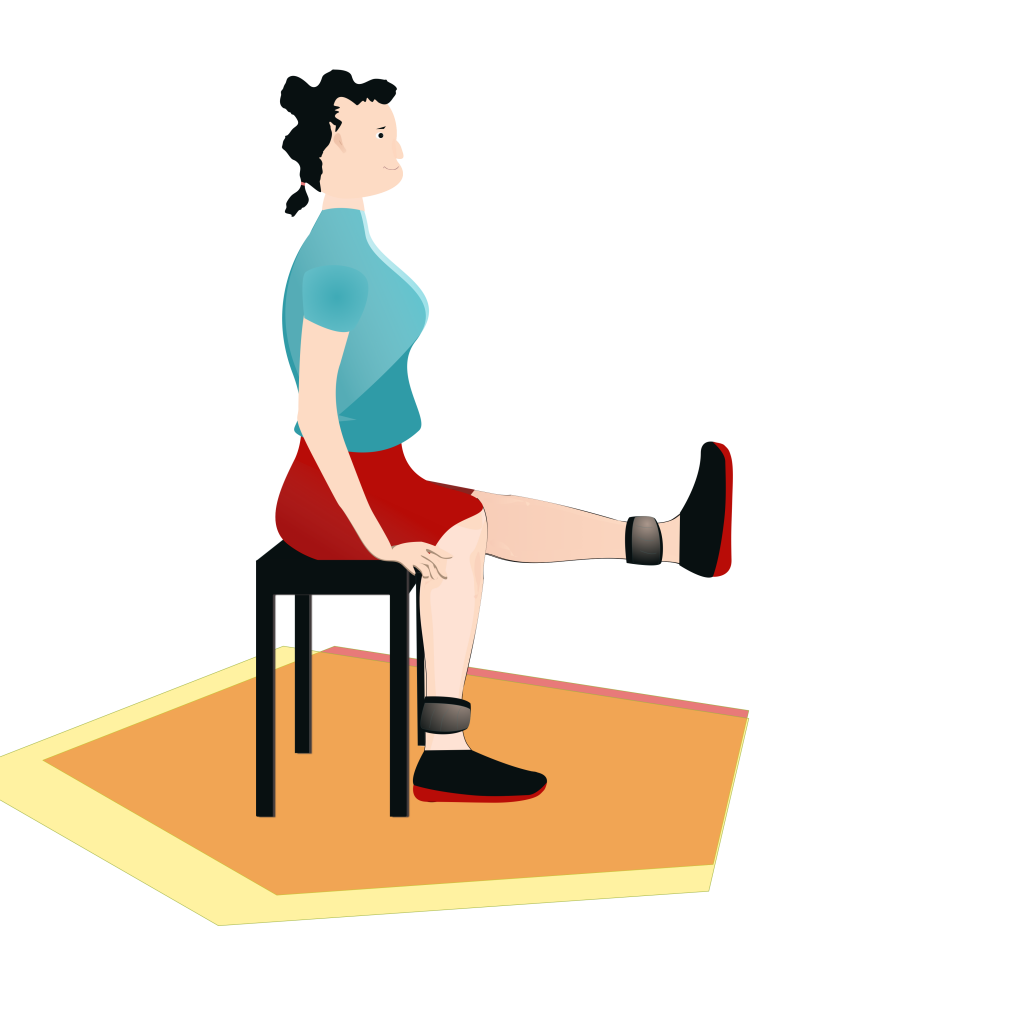
Correcting posture and following a strengthening program can indeed help to prevent deformities and improve overall health and function for people with osteoporosis. Poor posture and muscle weakness can contribute to an increased risk of falls and fractures, which can lead to deformities. By working to improve posture and build muscle strength, individuals with osteoporosis can reduce their risk of falls and fractures and improve their overall mobility and quality of life.
It’s important to remember that it’s never too late to start exercising, even if you have osteoporosis or other underlying health conditions. Regular exercise can help to improve posture, build muscle strength, increase bone density, and reduce the risk of falls and fractures. A physical therapist can help to design a safe and effective exercise program that is tailored to the individual’s specific needs and goals.